“The best way to predict the future is to design it.”
— Buckminster Fuller
Implementation & Technical Execution
Once a defensible path is identified, Southern Research and Compliance supports implementation through in-house work and managed specialists, depending on project needs.
Execution is structured to support the selected decision, not redefine it mid-process.

Decision Support & Planning
Environmental, Cultural, and Regulatory Feasibility
Before design advances or permit paths are assumed, we provide focused, decision-grade evaluations to clarify what is defensible and what is not.
This work is intentionally scoped to answer questions such as:
Which regulatory pathways are realistically available
Where agency discretion exists and where it does not
What assumptions are likely to trigger escalation or delay
Which options carry acceptable risk given schedule, cost, and scrutiny
Our planning work integrates ecological constraints, cultural resources, and state and federal regulatory considerations into a single, coherent evaluation.

How We Support Implementation
Implementation may include:
Ecological studies and habitat assessments
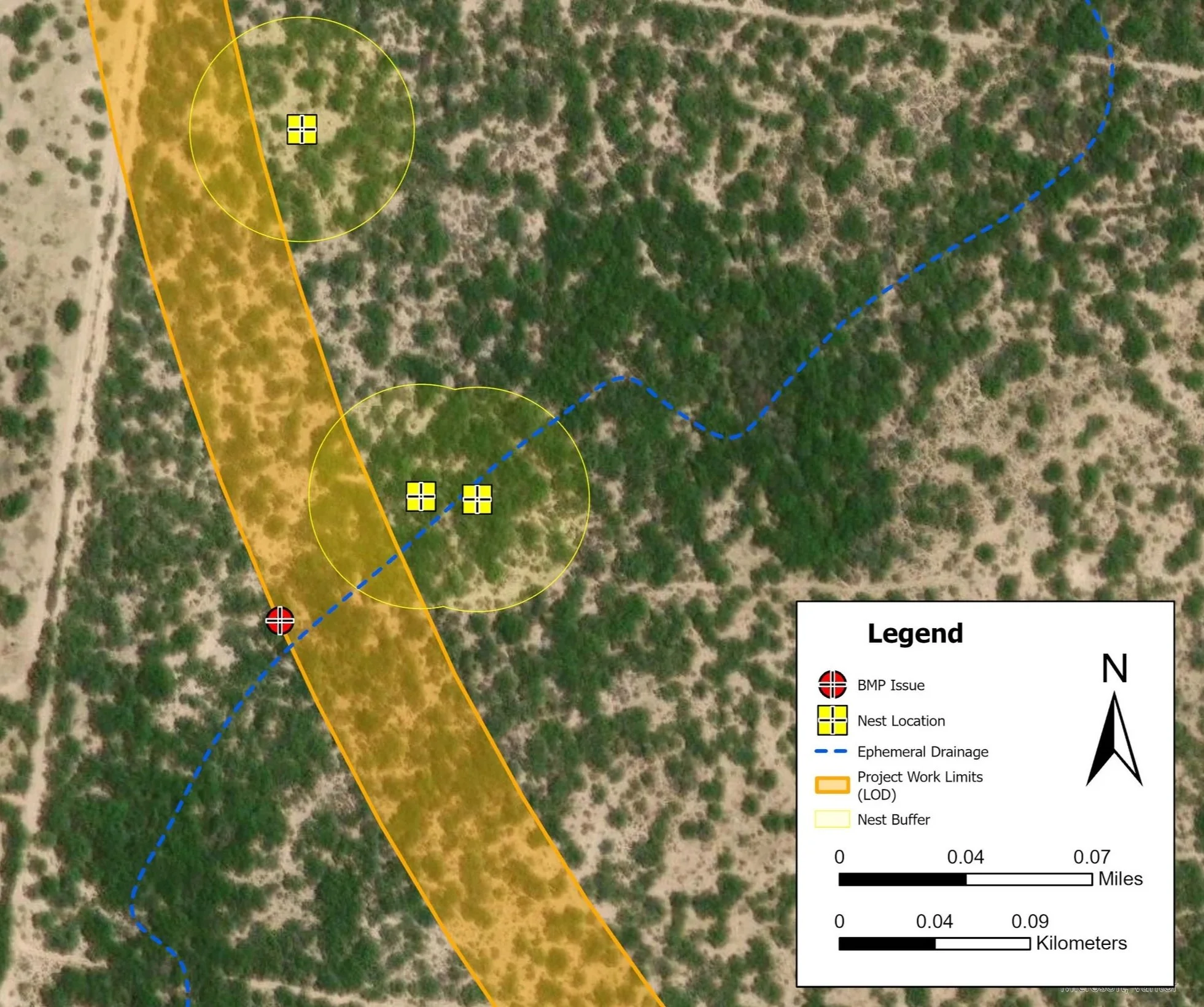
Protected species surveys and monitoring
Archaeological surveys and cultural resource coordination
Regulatory coordination and compliance support, including state and federal review processes
Construction compliance and environmental oversight
Invasive species documentation and management
All work is scoped intentionally and sequenced to align with the chosen regulatory and permitting strategy.
Our Role During Execution
During implementation, our role is to:
Maintain consistency between planning assumptions and field results
Coordinate across disciplines to avoid scope drift
Communicate findings clearly as they relate to regulatory thresholds and agency expectations
This approach reduces rework, late-stage redesign, and conflicting interpretations as projects move forward.
Project Contexts We Support
Our services are designed to support projects operating within complex federal, state, and operational review environments, including:
Federal border and security infrastructure projects, including work involving the U.S. Department of Defense (DoD), U.S. Customs and Border Protection (CBP), and the U.S. Army Corps of Engineers (USACE), where national security priorities, construction schedules, and environmental compliance intersect
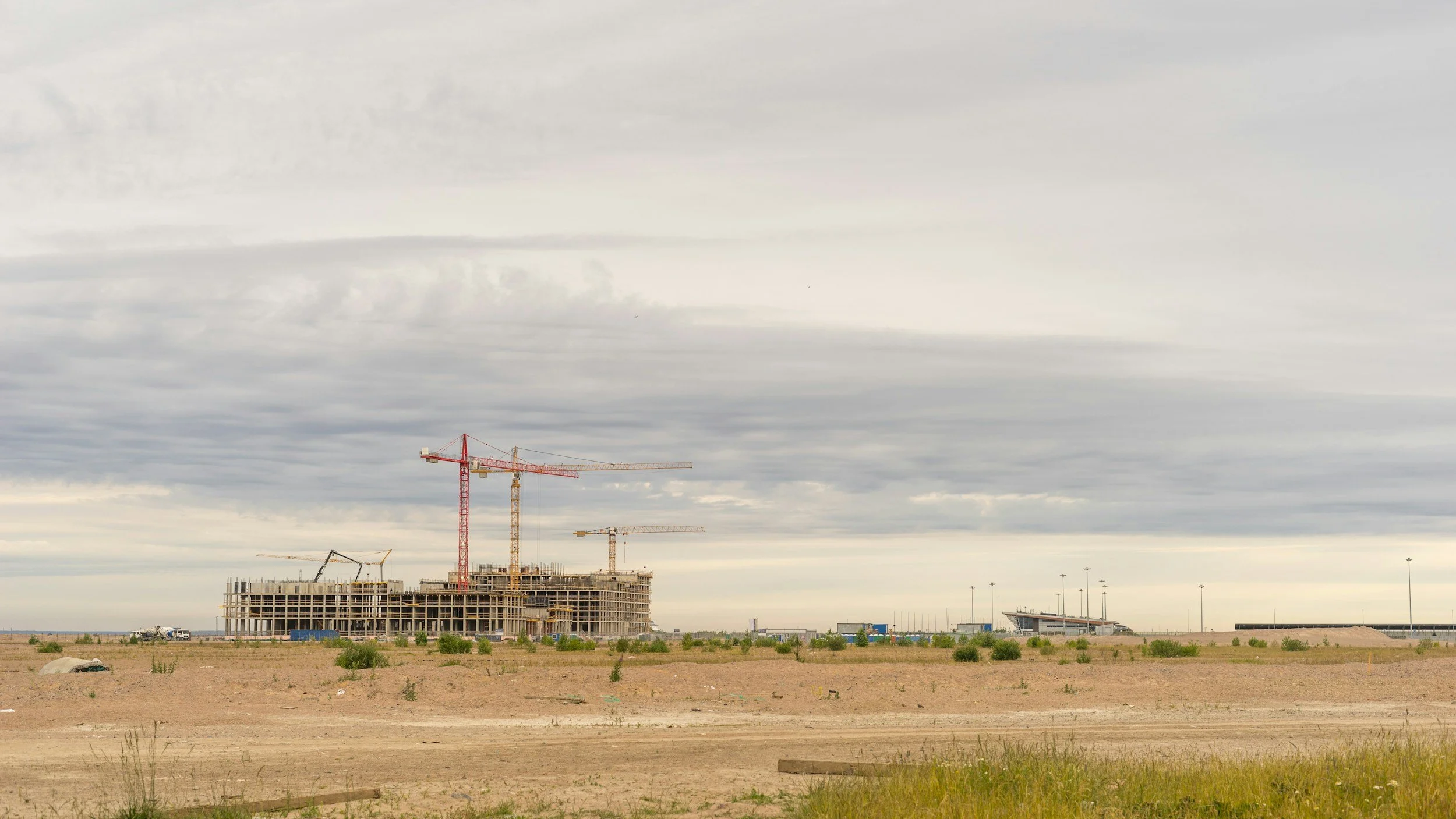
Large-scale linear infrastructure projects in sensitive and remote environments, including transportation, utility, and barrier-adjacent corridors subject to multi-agency coordination and accelerated review timelines
Projects requiring concurrent federal and state environmental review, including coordination with the U.S. Fish and Wildlife Service (USFWS), Texas Parks and Wildlife Department (TPWD), the New Mexico Department of Game and Fish (NMDGF), the Texas Commission on Environmental Quality (TCEQ), the New Mexico Environment Department (NMED), and the U.S. Environmental Protection Agency (EPA)
Aviation sites and locations with operational constraints, including projects near active airports and security facilities where wildlife interactions, land use compatibility, and safety considerations influence feasible options
Privately led and publicly funded projects adjacent to active federal operations, where construction activities must proceed alongside ongoing security, access control, and operational requirements